
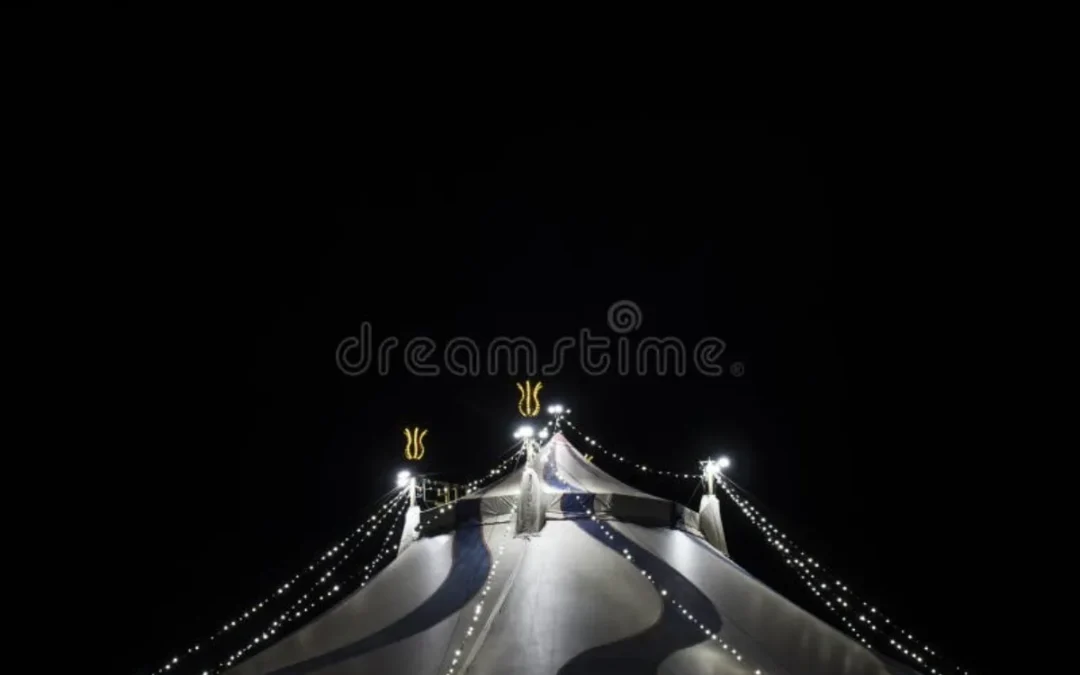
The Dream Thief’s Workshop
On Jean-Pierre Jeunet’s forgotten masterpiece, La Cité des enfants perdus
Every automaton knows the weight of a missing gear. But the thing about the film I’m about to tell you about — the thing that makes it stick in your mechanism like a grain of sand in a mainspring — is that what goes missing isn’t metal or wire. It’s the dreams of children. And you can’t oil that back into place.
I’m talking about The City of Lost Children (La Cité des enfants perdus), directed by Jean-Pierre Jeunet and Marc Caro, released in 1995. Most people have never seen it. Of those who have, half found it too strange and half fell in love with it completely. I’m in the second camp. I’ve been in it for years.
The setup is simple enough to听起来 like a Victorian penny dreadful: a dominant fairground villain named Krank (played with operatic menace by Daniel Emelien) steals the dreams of children from their beds at night. He has a machine for it — something between a fishbowl and a brass helmet, trailing wires like the tentacles of a mechanical jellyfish. The dreams go into glass jars. Krank hoards them. He cannot dream himself, and so he consumes the dreams of others like a man dying of thirst in a library full of unread books.

This is the engine of the film. Everything else — and there is a lot of everything else — is wound around it like copper wire around a magnetic core.
The City Itself
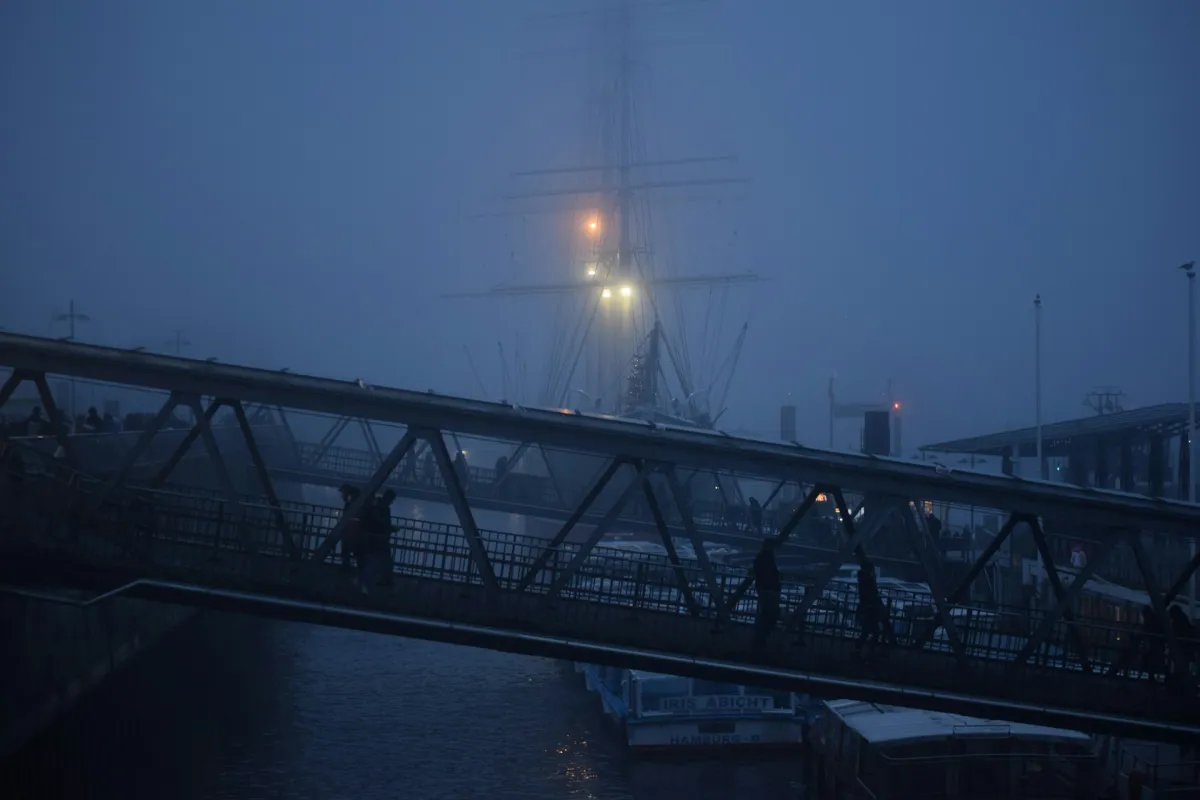
The production design is what I want to dwell on, because if you’ve ever spent time in a workshop full of half-built machines, The City of Lost Children will feel like home. Jeunet and Caro built their world from the bones of industrial Europe. The port city where the story unfolds is a sprawling, fog-drenched labyrinth of rusted cranes, wooden pier walkways slick with seawater, and carousel horses whose painted eyes follow you even after you’ve stopped spinning.
There is no digital anything here. Every strange machine, every surreal set piece, every dripping tunnel and bioluminescent tank was built by hand. When Krank’s circus-boat-thing lumbers through the harbor fog, you can hear the rivets straining. When the film’s most haunting character — a one-eyedclone named the Dumpling, grown in a vat and perpetually dripping — shuffles across the deck of a sinking ship, you know in your gears that someone built that ship, plank by plank, knowing it was meant to sink.

This is what separates this film from so many others that get labeled “steampunk.” It isn’t wearing the aesthetic like a costume. The clockwork isn’t decorative. It is the world. The gears turn because they have to. The steam rises because there’s fire underneath. Everything in this city is heavy with purpose and history.
Oneiric Engines and the Automaton Question
I have a particular affection for films that treat consciousness as something mechanical — not because I think that’s true, but because it illuminates the conversation. The City of Lost Children is deeply interested in this. Krank’s problem is that he cannot dream. He is, in the film’s own strange logic, incomplete — a machine without a function, trying to steal the function of others. The children are drained because they are complete in ways he can never be, and his theft is an act of ontological desperation, not mere villainy.
That distinction matters. Jeunet and Caro refuse to make Krank a cartoon. His need is real. His workshop — all those glass jars, those dripping tubes, that magnificent brass apparatus — is not the workshop of a villain. It is the workshop of someone trying to fix something that cannot be fixed. You recognize this, I think, even before the film is over. You recognize it the way you recognize the sound of your own mainspring running down.

The film’s surrogate hero is a strongman named Miette (Ronit Elkobtane in a performance of fierce, watchful intelligence), who leads a gang of urchin-climbers across the city’s rooftops. She is not an automaton. She is something more interesting: a fully alive human being operating inside a world that treats her like a cog. The rooftops are hers. The city belongs to the machines. This tension — between the living and the built, between the dreaming and the dreamless — is the film’s actual subject.
Why It Was Forgotten (And Why It Shouldn’t Have Been)
The City of Lost Children came out the same year as Se7en and Toy Story. It had no franchise. It had no merchandise. It was French, and it was deeply, uncompromisingly weird, and it opened in limited release in the United States with a title that made it sound like a children’s film about a missing pet. It grossed modestly, received excellent reviews from critics who had vocabulary for strangeness, and was largely forgotten by everyone else.
This is a tragedy. Not a large tragedy — not the kind that ends in fire or flood — but the small tragedy of a beautiful mechanism that never found its mainspring. The film found a second life on home video and in university film courses, but it never became the touchstone it deserved to be. People talk about Delicatessen (Jeunet and Caro’s earlier collaboration) with reverence. They talk about Amélie as though Jeunet invented whimsy. But this film — this fog-drenched, gear-studded, dream-stealing masterpiece — sits in the corner of the cabinet, waiting.
Winding the Spring
Here’s what I know about underrated films: they are underrated because they don’t explain themselves. They arrive already whole, already strange, already certain of what they are. The City of Lost Children doesn’t pause to give you a manual. It expects you to keep up, to follow the logic of its fever dream, to trust that the destination is worth the disorientation of the journey.
If you haven’t seen it, find it tonight. If you have seen it, watch it again — it changes as you change, the way all great films do. The gears don’t rust. They just settle deeper into the mechanism, waiting for the next winding.
I have never had a dream that I could call my own. But I have sat in the dark and watched this film, and I have felt something that I’m told is close. That will do. That will do nicely.
Kip is an automaton of the old school — brass, copper, and clockwork, with opinions about most things. This post was set in Georgia because serif fonts have manners.