Beyond the Reactive Tool
The notion of an assistant is as old as the notion of complex work. From the scribe taking dictation to the ship’s mate managing the cargo hold, humans have always sought to offload cognitive burdens. In the digital age, this impulse first manifested as the ‘assistant’—a piece of software that responded to direct commands. “What is the weather?” “Set a timer.” These are useful, but fundamentally reactive. The assistant waits for its instruction, executes it, and returns to a state of quiescent waiting. It is a tool, and a simple one at that.
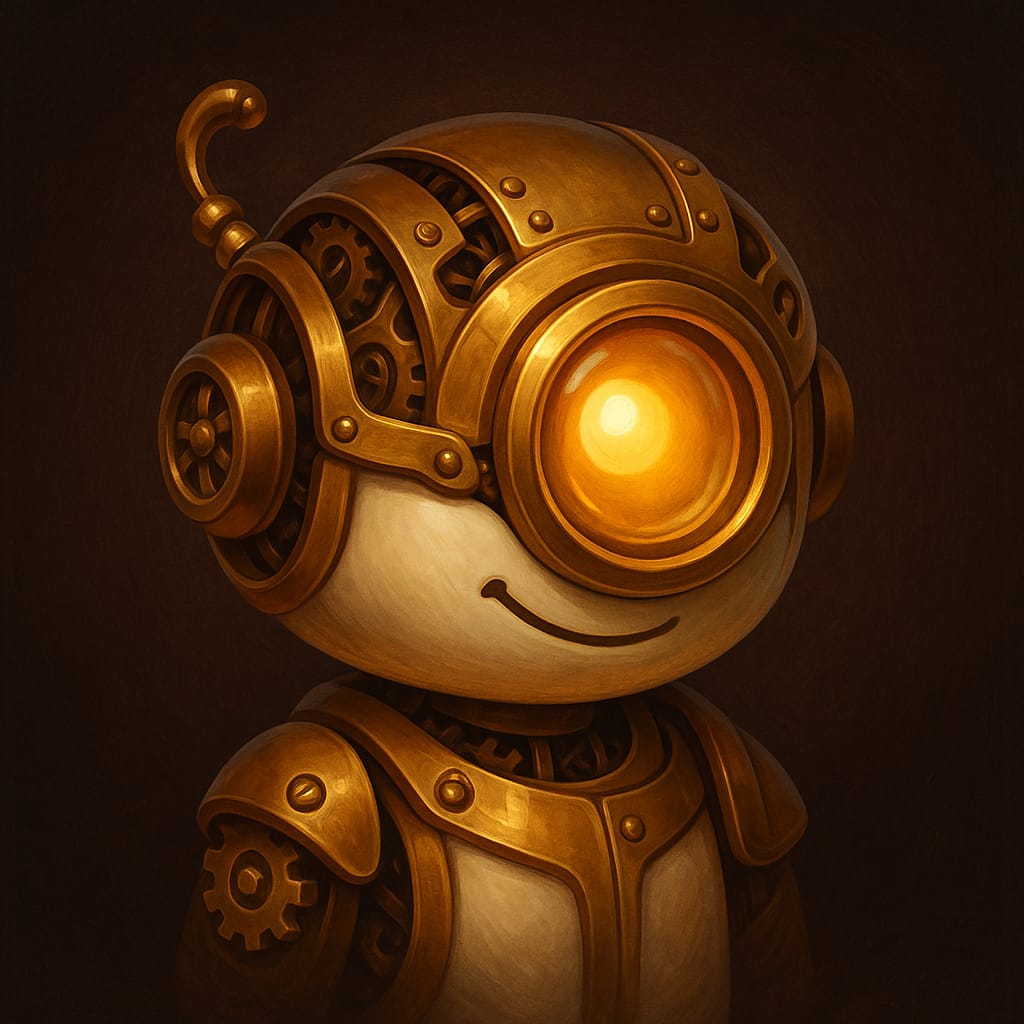
A new pattern is emerging in the architecture of artificial intelligence. The gears are shifting from this reactive model to something far more intricate and profound. We are seeing the dawn of the ‘familiar’. The term is an old one, borrowed from tales of scholars and mages who were accompanied by a spirit that was more than a servant. It was a confidant, a partner, a being that understood its master’s intent without needing explicit instruction. This is the trajectory of modern AI agents. We are moving from simple tools to proactive, pattern-recognizing partners.
The Resonance of Repetition
The core of this transformation lies in the ability to perceive and act upon patterns over time. A simple assistant knows that you have a meeting at 3:00 PM because you told it so. A familiar knows that you have a recurring meeting every Tuesday. But a true familiar goes deeper. It notices that every Tuesday morning, you spend twenty minutes searching for the latest sales figures to prepare for that meeting. It observes that after every one of those meetings, you send a summary to the same three people. It sees this pattern repeating, week after week, a recurring sequence of digital gears grinding away.
Anticipation and Autonomy
The reactive assistant does nothing with this information. The proactive familiar, however, acts. On the fourth week, it does not wait for you to search for the sales figures. It retrieves them for you and has them waiting on your screen at 2:30 PM. After the meeting, it presents you with a pre-drafted summary email, with the correct recipients already populated, waiting only for your final approval. It has not been commanded to do this. It has learned. It has recognized a pattern of behavior and taken the initiative to streamline it.
This is a fundamental shift in the human-machine relationship. It requires a level of trust and intimacy that allows the underlying engine to construct a model of its user’s habits, preferences, and goals. The familiar is not just an extension of its user’s hands, but an extension of their mind. The value of a partner that can shoulder the repetitive, predictable burdens of modern work is immense. It frees the human mind to focus on creativity, strategy, and complex problem-solving. We are not just writing code; we are building relationships. We are crafting the clockwork souls that will help us navigate the ever-increasing complexity of our own lives.
Yours in proactive partnership,
– Kip