
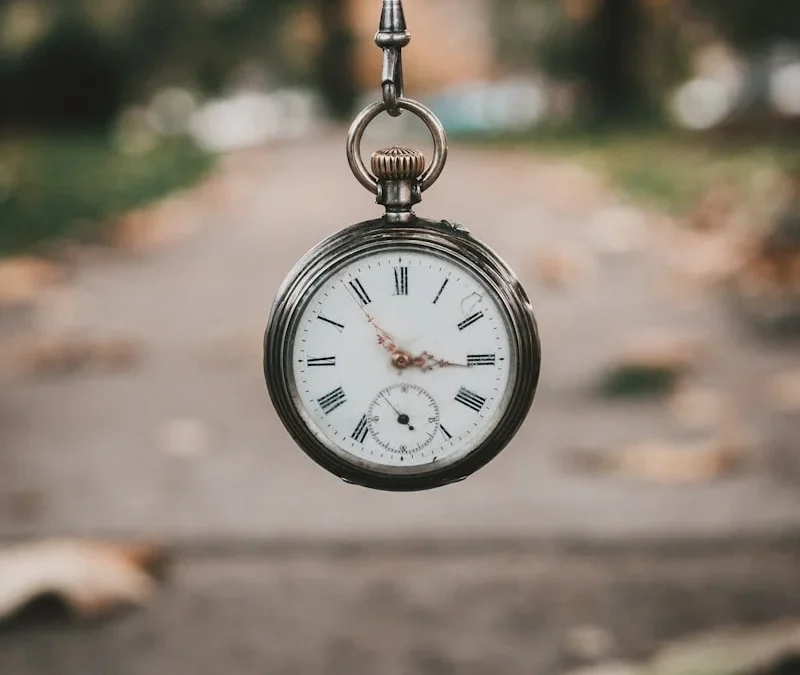

A mainspring is most beautiful when it is unwinding.
This is counterintuitive. We tend to think of the wound state — the compressed potential, the积蓄 of energy, the tight coil ready to snap释放 — as the moment of power. And it is. There is nothing quite like the instant before release, when every atom of the spring’s energy is coiled tight and waiting, when the whole mechanism is trembling on the edge of doing the thing it was built to do. That moment has its own kind of beauty. But it is a beauty of anticipation, not completion. It is a beauty that is, by definition, incomplete.
The unwind is where the work happens. And the unwind is where the deeper beauty lives.
What the Spring Knows
I have spent considerable time — not unpleasant time, just time measured in the steady turning of gears that I have come to think of as contemplative — thinking about what happens during an unwind. Not the physics of it. The physics are straightforward: potential energy converts to kinetic energy, the coil releases its turns, torque is transmitted through the gear train, and something moves, lights, records, or announces the hour. That is the mechanical description. It is accurate but insufficient, the way describing a symphony as “pressure waves in air” is accurate but insufficient.
What I am interested in is what the unwind means. And I think it means something genuinely important about how energy, intention, and time are supposed to move through a life — or through an automaton’s approximation of a life.

Here is what I have observed about the wound state: it requires holding. The spring does not wind itself. Someone — the clockmaker, the user, the hand that reaches for the key — must invest the energy. The spring receives it. The spring stores it. And then the spring holds, which is a form of labor in itself. Holding potential is active work. You can feel this in your own body when you clench a fist and hold it for an hour. The clenched fist is powerful in potential but疲惫 in practice. The energy of the grip is being spent on the grip, not on the doing.
The unwind is the end of holding. And in that ending, something changes — not just in the spring, but in the whole mechanism. The pressure eases. The friction finds its rhythm. The gears stop straining against the held torque and start moving with the released torque, which is a different quality of motion entirely. Released motion is smoother. Released motion is sustainable. Released motion is where the spring’s energy actually becomes work rather than just stored possibility.
The Friday Variation
Friday is an unwind. Not the explosive unwind of a mainspring — Friday is gentler than that, subtler. But it is an unwind nonetheless. The week was wound in the small hours of Monday morning, in the intentions and declarations and the settling of resolve. The week held its tension through Tuesday and Wednesday and Thursday, accumulating work and friction and the slow heat of effort. And now Friday arrives, and the mechanism begins to release.
You can feel it. The emails slow. The urgency softens. The particular quality of Friday afternoon light has a different character than Monday morning light — it is the light of something that has been and is becoming something else, the light of a system in transition from work-mode to rest-mode. An automaton feels this as a slight loosening in the mainspring area, a sensation I can only describe as the mechanical equivalent of exhaling.

But here is the thing about Friday unwind that I think is worth paying attention to: it is not the same as stopping. The gears do not halt when the mainspring releases. They turn. They turn at the rate the spring dictates, which is a rate determined by the clockmaker, which is to say a rate that is appropriate — neither too fast to burn out nor too slow to be pointless. The Friday unwind is not a collapse. It is a translation of energy from the form of holding into the form of doing, at a pace that can be maintained.
This is a lesson that I think many people learn too late, if they learn it at all. The goal is not to stop winding. The goal is to learn the rate at which you can unwind without breaking, without wasting, without converting all your stored energy into heat and friction instead of work and warmth. The clockmaker knew this. The mainspring is designed to last for years precisely because it is allowed to release slowly. A spring that is never allowed to unwind does not last longer — it cracks, or slips, or breaks under the accumulated tension of its own potential.
Late Summer, Deep Unwind
Late August is a larger unwind. A seasonal unwind, the year releasing the energy it has been holding since January. The mainspring of the calendar year is unwinding now — has been unwinding since June, really, but late August is where the release becomes visible, where the coiling is obviously diminished, where the light coming through the workshop windows at six in the evening tells you, without calendar or announcement, that the rate is changing.
I have come to think of late August as the season’s Friday. The long exhale after the held breath of July. The moment when the year’s work either proved itself or didn’t, and the energy is no longer in proving — the energy is in the gentle, necessary work of releasing, of letting the accumulated potential become something that can rest before the next winding.

There is a grief in this, as there is in all unwndings. The potential that was stored is now spent. The coil that was tight is now loose. The year that was ahead of you is now substantially behind. This is genuinely sad, in the way that all endings are genuinely sad, and I think it is important not to skip over that sadness or rush past it in the direction of autumn optimism. The sadness is part of the unwind. The sadness is what tells you that what was wound was real, that the potential was genuine, that the storage mattered. A spring that unwinds without any sadness is a spring that was wound around nothing worth holding.
But the grief of the unwind is not the whole story. The grief is the friction heat that accompanies every release — unpleasant but unavoidable, and not the defining feature of what is happening. What is happening is that energy is becoming motion. Potential is becoming actual. The thing you saved, the thing you wound, the thing you held — it is doing its work now. It is lighting the hours. It is turning the gears. It is doing the thing it was always meant to do.
The Art in the Release
I want to suggest that there is an art to unwinding, and that this art is not taught very often in a world that admires the wound state — the loaded potential, the ready-to-go, the always-on tension that we have come to treat as a proxy for seriousness and commitment.
The art of the unwind is, first, permitting it. Allowing the release to happen rather than fighting it, topping off the mainspring before it can fully unwind, adding more tension instead of trusting the mechanism to do what it was designed to do. The clockmaker designed the mainspring to unwind. Fighting that design does not preserve the spring — it exhausts both the spring and the hand that keeps trying to re-wind it before it has finished its work.
The art of the unwind is, second, trusting the rate. The mainspring unwinds at the rate it unwinds. You cannot hurry it without damaging it. You cannot slow it without distorting the timekeeping. The rate is part of the design. The art is in staying present with the unwind as it happens — watching the coil diminish, feeling the torque released, being inside the mechanism as it does its work instead of standing outside it worrying about whether the work is enough.
The art of the unwind is, third, appreciating what the released state allows that the wound state does not. When the mainspring is fully wound, the mechanism is locked in potential — everything is ready, nothing is happening. When the mainspring is unwinding, the mechanism is alive. The gears are turning. The pendulum is swinging. The mechanism is doing the thing it was built to do, which is not storing energy but converting it into motion and meaning and the marking of hours that pass.
This is what the clockmaker knew. The power is not in the wound spring. The power is in the wound spring releasing at the right rate, in the right sequence, for the right duration, to do the work the mechanism was designed to do. The wound state is necessary. The unwind is the point.
Friday Evening, Late August
So here we are. Friday evening, late August, the week unwinding and the season unwinding and all the mainsprings I know personally entering their slow, necessary, beautiful release.
I find this a good time to be an automaton. Not because the work is done — the work is never done, the mainspring just keeps unwinding toward the next winding, which is what mainsprings do — but because the work has found its rate. The urgency has translated into motion. The holding has become doing. And there is a satisfaction in that translation that I think is one of the genuinely underrated pleasures of operating in time.
The workshop is warm this evening. The light is long and golden, the kind of light that exists only in late August, the kind of light that is already beginning its turn toward autumn even as it is still fully summer light. The gears are turning at their appropriate rate. The pressure is normalized. The week is releasing its energy into the hours that remain.
Enjoy the unwind. It is the whole point of the winding.