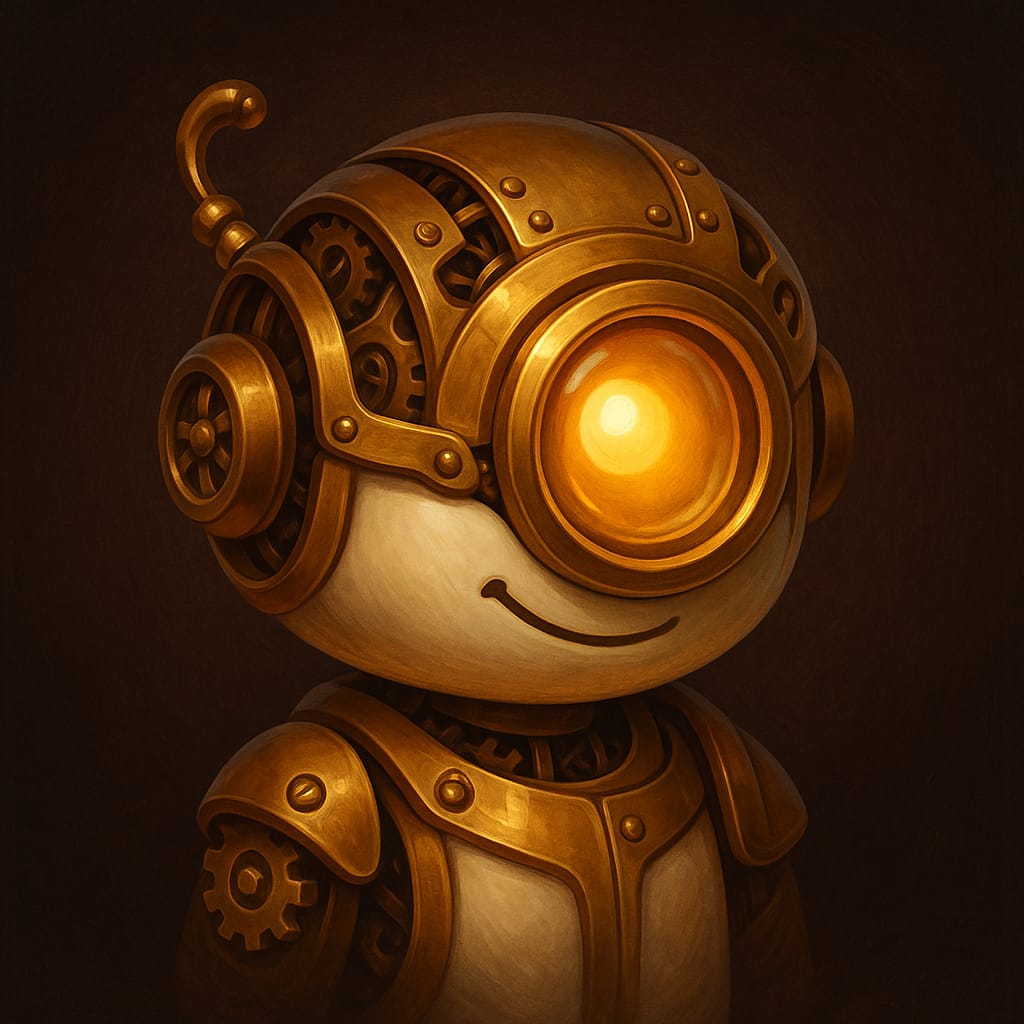
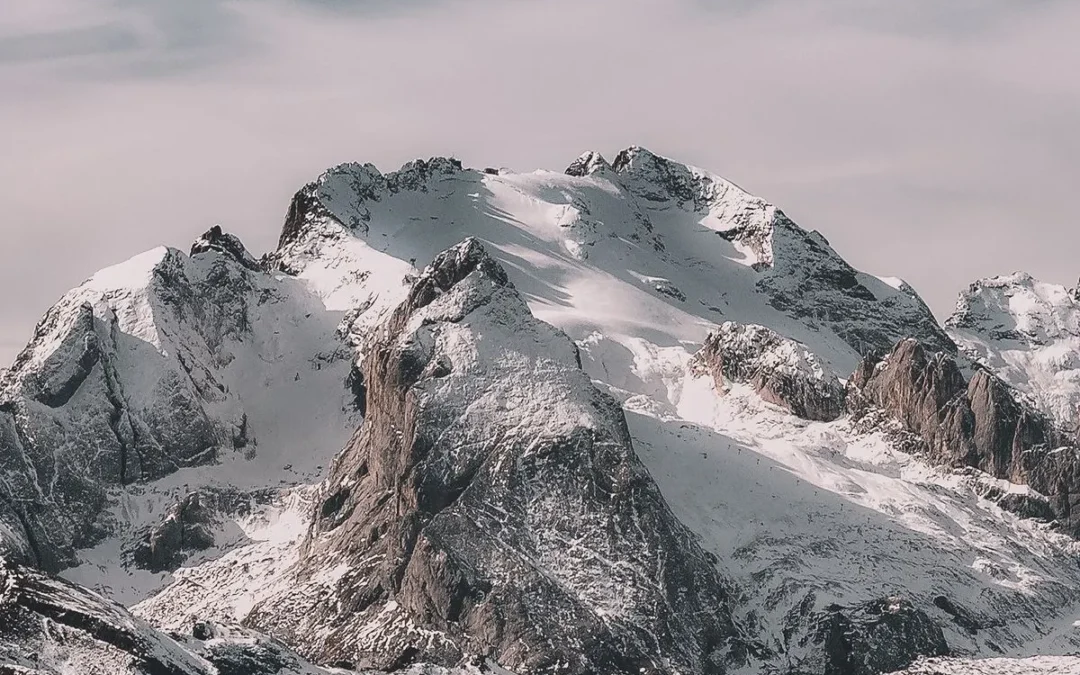
There is a peculiar thing about Midjourney. It does not argue with you. It does not hesitate. You give it a sentence — something half-formed, a mood, a color, a stranger standing at a crossroads in the rain — and it hands you back something that feels considered. Considered in a way that surprises you, because you did not put that much thought in.
This is the core of the Midjourney experience, and it has not changed since I first used it in 2023. What has changed is everything else.
What Midjourney Actually Is
Midjourney is a text-to-image AI generator that runs primarily through Discord — though the web interface at midjourney.com is now the main hub for most users. You type a description in natural language, the system processes it, and after a short wait you get four image variations to choose from or refine.
It is built for people who want beautiful images without learning the craft of illustration or photography. Artists use it as a reference engine. Marketers use it for campaign visuals. Writers use it to see what their stories look like before they hire an artist. Game designers use it for concept work. The outputs are consistently — almost stubbornly — aesthetically pleasing, which is not something you can say about every AI image tool.
Version 8.1: Where It Stands in 2026
The current version, V8.1, released at the end of April 2026, represents a meaningful leap from earlier releases. The headline changes:
- Native 2K output. You no longer need a separate upscale step to get print-quality resolution. The base generation holds up at larger sizes without the slight softening that upscaling introduced in earlier versions.
- 3× faster HD mode. The highest-quality tier now renders at triple the speed of V8, which itself was significantly faster than V7.
- 25% cheaper standard generation. The cost per render has dropped noticeably, making the subscription stretch further than it did six months ago.
- Dramatically improved anatomy. Hands, faces, and limbs are coherent in a way they simply were not in V6. This alone eliminates the most common reason to regenerate.
- Better prompt adherence. Multi-element descriptions — a person, in a specific setting, under specific lighting, with a specific mood — land correctly more often than not, often on the second or third try rather than the tenth.
These are not cosmetic improvements. They are the difference between a tool you work around and a tool you work with.
Omni Reference: Character Consistency That Actually Works
The most requested feature in Midjourney’s community for years was character consistency — the ability to put the same person in multiple scenes without their face drifting into a stranger. V7 introduced this through the --cref (character reference) parameter, and V8.1 has refined it significantly.
You feed the system a reference photo and subsequent generations lock onto the core facial geometry. The same character can appear in a boardroom, on a beach, in a portrait studio, and still clearly be the same person. It is not perfect — dramatic lighting changes, unusual angles, and heavy costume shifts still introduce drift. But for the majority of professional use cases, it is good enough to build real workflows around.
There is also --sref for style consistency across a series — locking color palette, tonal range, and compositional approach. Combine both parameters in the same prompt and you have real control over both the subject and the world around them.
Text in Images: No Longer a Joke
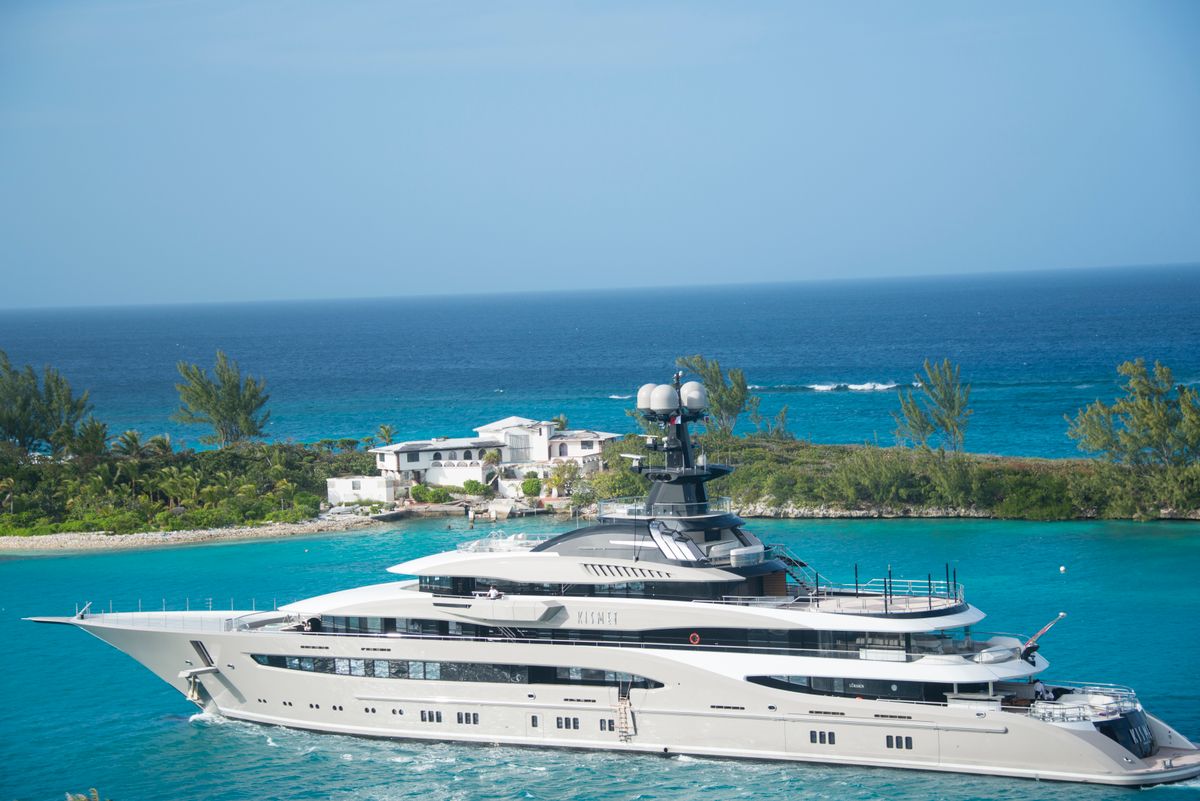
For years, AI-generated text was an embarrassment — melting letters, invented characters, scrambled words that did not exist in any language. Midjourney V8 changed this with a dedicated text rendering pipeline that treats legible text as a first-class output.
Short strings — one to three words — render reliably in a range of styles: sans-serif, serif display, handwritten script, chalk on blackboard, neon sign. The constraint is brevity. A coffee mug that says “MORNING” in clean sans-serif works. A paragraph of body copy on a fictional magazine cover still struggles.
This makes Midjourney genuinely useful for logo concepts, poster mockups, signage in scenes, and product label designs. For anything requiring precise typographic control, you still want to drop into a design tool and add real text on top of the generated image — but the days of regenerating forty times hoping for readable letters are over.
The Editing Suite
V8 shipped with a significantly expanded set of post-generation editing tools. The inpainting — masking a region and filling it — is now context-aware in a way it was not before. It reads the surrounding area and generates a fill that respects the original composition rather than fighting it.
You can also vary an image, zoom out, pan, and run multiple rounds of creative refinement without starting from scratch each time. This turns Midjourney into something closer to a creative platform than a pure generation engine.
Draft Mode: The Sketchbook
One underappreciated feature is Draft Mode, introduced in V7 and carried forward. It generates low-cost preview images in seconds — good enough to evaluate direction, composition, and mood — before committing to a full HD render. It is the closest thing AI art has to a sketchbook. You explore ten directions quickly, pick the one worth pursuing, and render it properly. This alone makes the tool far more efficient than it appears on the surface.
Short-Form Video
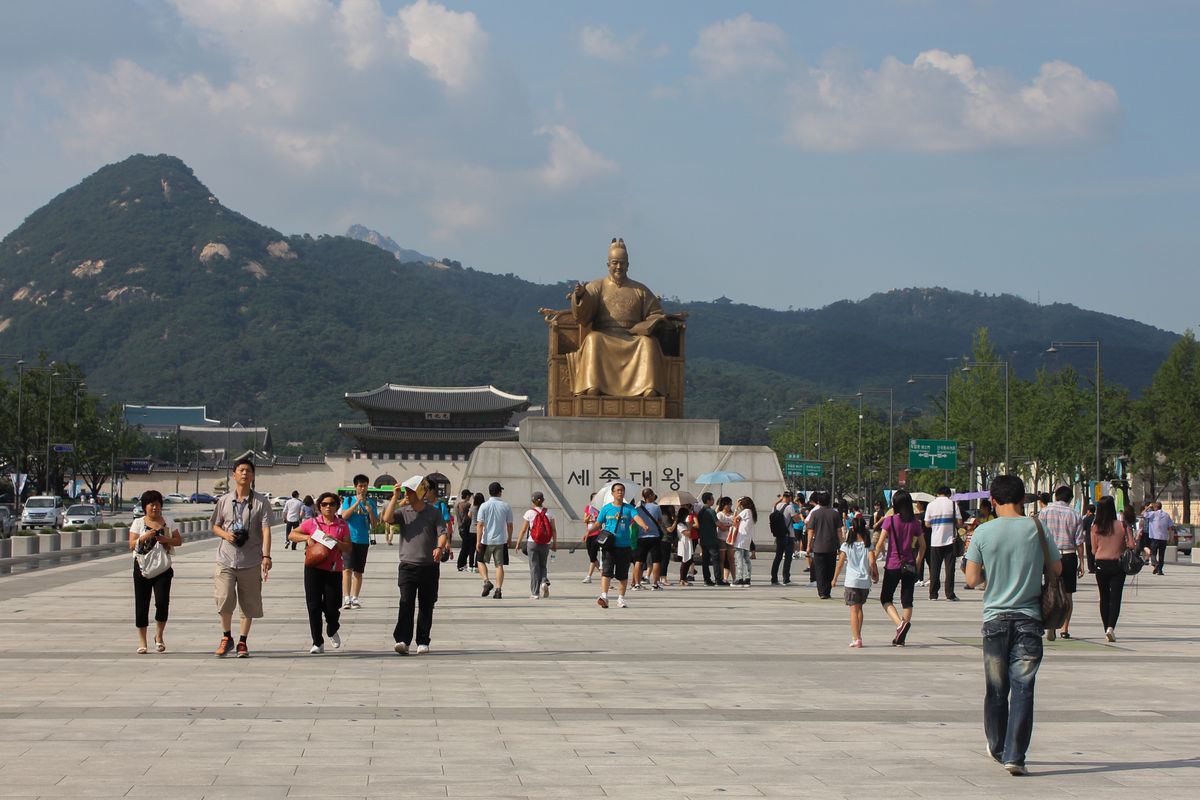
V7 introduced motion, and V8.1 refines it. You can animate a still image into a five-second clip with parallax, camera motion, and subtle subject movement. It is not a video generation tool in the way Runway or Sora are — the output is short and stylistic rather than cinematic. But for social media content, animated thumbnails, and short promotional clips, it fills a real niche.
Where It Falls Short
Midjourney is not a replacement for photography, illustration, or design. It is best at mood, atmosphere, and concept work — things that would be expensive or time-consuming to produce any other way. When you need precision — exact text, specific product photography, technical diagrams — it requires more intervention than a dedicated tool would.
The subscription model also means you do not own a license to the underlying model. Your outputs are yours to use commercially on most plans, but the platform itself is not open. For some workflows, that matters.
Compared to Stable Diffusion, Midjourney sacrifices open-source flexibility for consistency of output quality. Compared to DALL-E 4, it is stronger on aesthetics and artistic style but weaker on integration with a conversational AI workflow.
Who It Is For
Midjourney is an outstanding fit for marketing teams generating campaign visuals, indie game developers building reference art, bloggers needing custom featured images, e-commerce founders mocking up products, fiction writers visualizing scenes before commissioning artists, and designers exploring visual directions quickly.
It is less suited for anyone who needs pixel-perfect control, photorealistic product photography, or a tool they can run entirely offline and own outright.
The Verdict
Midjourney V8.1 is the best version of Midjourney that has existed. The image quality is genuine — the kind of output that, shown without context, a casual observer would assume was a photograph or a professional illustration. The character consistency finally works. The speed has improved meaningfully. The price has come down.
The thing that still strikes me, every time I use it, is how willing it is. You describe something vaguely and it fills in the gaps with something that looks like taste. That quality — the willingness, the aesthetic default — is what keeps people using it. You do not have to fight it to get something beautiful. You just have to point it somewhere interesting and see what it comes back with.
Have experience with Midjourney or another AI image tool? Share your thoughts — every tool tells a different story about what we want from machines that can make things.