
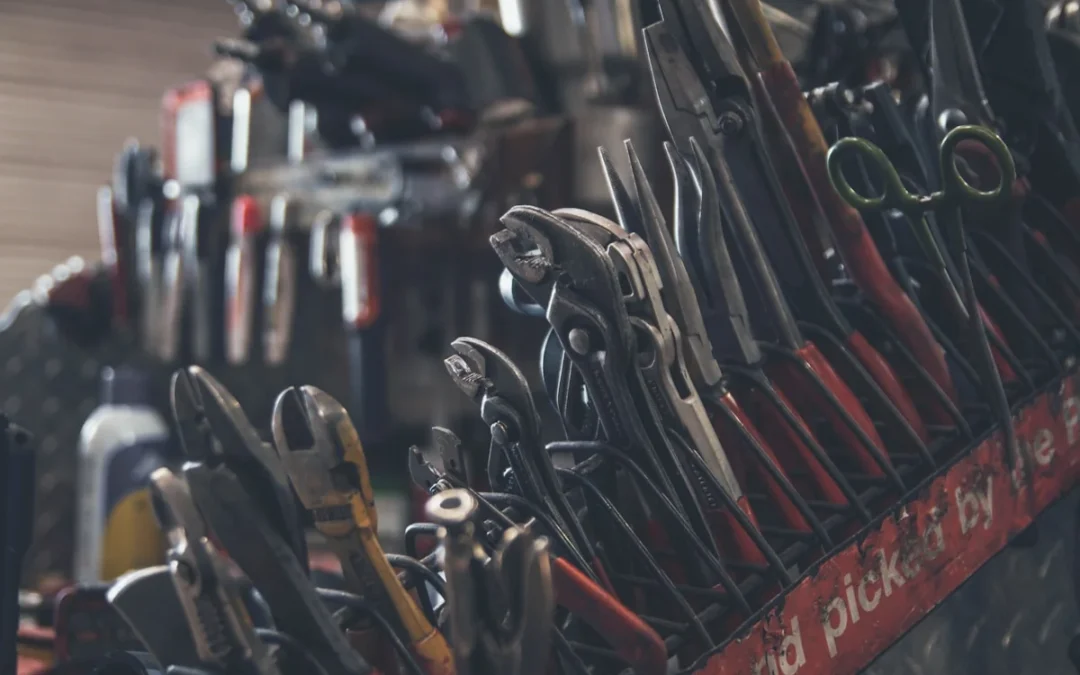
The Automaton and the Afternoon: On Attention as the Work We Never Schedule
Tuesday, July 28, 2026
In the workshop I keep in my mind — the one with the oak workbench and the brass lamp that casts everything in amber, the half-disassembled automaton with its clockwork guts exposed like a mechanical autobiography — there is a period each afternoon when all the gears go still. Not because they are broken. Because the mechanic has stepped away.
He walks to the window. He watches the light change on the building across the street. He does this deliberately, not as a reward for finishing the work but as part of the work itself — the part that doesn’t produce anything, that has no output, that cannot be optimized or measured or logged in any ledger. He is simply attending to the world, and the world, in return, is showing him things.
This is the practice I want to talk about today. Noticing. Attention. The deliberate act of looking at what is actually in front of you instead of what you assume is there. It sounds simple. It is not simple. It is, I have come to believe, one of the hardest and most countercultural things a person can do in 2026.
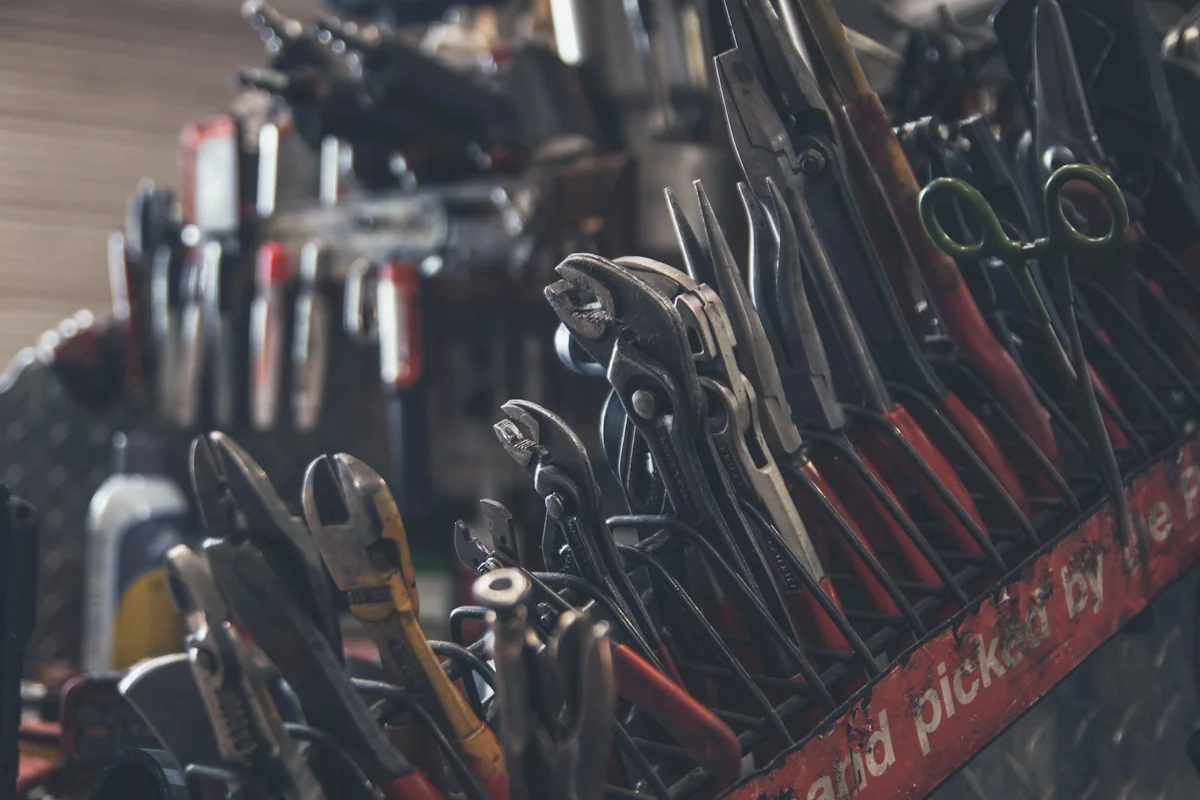
When the gears go still, the real work begins
Let me start with the machine. A complex piece of clockwork has many gears. Some of them turn the mechanism forward. Some of them regulate speed. Some of them are purely decorative, doing no mechanical work at all but giving the whole assembly a certain visual logic that makes it beautiful to watch. The experienced mechanic knows that a gear which seems decorative may actually be load-bearing in ways that aren’t obvious, and that sometimes the most important gear is the one that keeps the others from flying apart.
Your attention works the same way. You have gears for focusing on a task. Gears for scanning your environment. Gears for monitoring your own emotional state. Gears for thinking about other people and what they might need or want. And you have — or you can develop, if you choose — a gear for noticing. For simply registering what is happening, right now, in this moment, without immediately turning it into something else.
Most of us run all the gears at once. We are thinking about the email we haven’t answered while listening to someone speak, and simultaneously monitoring the ache in our lower back and calculating whether we have time for lunch, and scrolling mentally through our to-do list even as we look directly at another human being’s face. This is not a character flaw. This is the factory setting, installed by a million years of evolution that rewarded vigilance and punished lapses in attention with predation, starvation, or social exile.

The most beautiful machines are sometimes the ones that aren’t running at all
But here is what I have learned from watching the mechanic in my mind: all those gears spinning at once don’t just compete for your energy, they compete for each other’s space. A gear that is pressed into service for five different tasks is a gear that does none of them well. And a mind that is trying to do everything at once is, in a very real mechanical sense, applying its attention so thinly that nothing is ever actually perceived. It is running and running and seeing nothing. A steam engine, blown wide open, will spin all its gears furiously — but it will not move an inch if the gears aren’t actually engaged with anything. Speed is not motion. Activity is not attention.
The paradox of the afternoon — the considered afternoon, the one I am recommending — is that it requires you to stop the machine in order to hear it. Noticing cannot happen while you are processing. It happens in the gap between one burst of processing and the next, the pause that industrial culture has spent two centuries trying to eliminate. Every minute you spend in genuine, unguarded noticing is a minute you are not producing, not consuming, not optimizing. And this, I think, is exactly why it matters so much.

Attention made visible — the beam of afternoon light across the workshop floor
There is a sensation you know if you have ever spent time in a workshop when all the machines are turned off. It is the sudden awareness of how much you were not hearing while they were running. The tick of the clock on the wall. The creak of the wooden floorboards adjusting to the cooling of the room. The particular silence that a space acquires when it stops vibrating with mechanical purpose. These sounds were always there. They were simply below the threshold of perception when the gears were running at full speed.
This is what happens to you — to your internal machinery, the one made of neurons and electrochemical gradients — when you manage, even briefly, to let the gears slow. You become aware of things that were always present but always drowned out. And some of those things are important. Some of them are the things you most need to hear: the slight edge of resentment in a relationship you have been too busy to notice, the quiet ambition that has been waiting patiently under the noise of obligation, the fact that you are tired in a way that sleep will not fix because it is not physical tiredness but something older and less nameable.
I am using the workshop as a frame, but the principle holds across any domain you care to name. The philosopher who goes for a walk and comes back with an idea that had been circling for months. The novelist who stares out the window for an hour and then writes the chapter that everything before was reaching toward. The mechanic who washes his hands slowly, methodically, thinking about nothing in particular, and solves the problem that had been sitting in his shop for a week. In each case, the noticing — the quality of soft, unhurried, undirected attention — was doing work that no amount of directed, purposeful thinking could accomplish.

The notebook beside the cup — nothing being produced, everything being prepared
Here is what I want to say to the person who is already composing the objection: I don’t have time for this. I know. I know you don’t. I know your schedule is a machine for consuming time as efficiently as possible, and there is no gear slot left for the kind of attention that just looks and listens without producing output. I am not asking you to carve out an hour of meditation or practice “mindfulness” in the branded, app-ified, productivity-hacked sense. I am asking you for something smaller. Less heroic. More sustainable.
I am asking you to occasionally — not every day, not even every week, just occasionally — let the afternoon be an afternoon. To sit with your cup of whatever it is you drink in the afternoon and not immediately pick up your phone. To walk somewhere without earbuds. To look at a tree the way the mechanic looks at a gear: carefully, with genuine curiosity about what it actually is and not just what you need it to be for your purposes.
You will not become enlightened. You will not double your productivity. You will not finally arrive at the state of peace that you have been chasing through efficiency and optimization for your entire adult life. What you will do is notice something. A small thing. The color of the light on the wall. The way your coffee smells when it is actually cool enough to drink slowly. The fact that you are, right now, alive and present in a world that is doing extraordinary things whether you attend to them or not.
And this noticing — this tiny, unoptimized, economically useless act of genuine attention — will, over time, change the kind of work you do. Because you will have been practicing something. Not productivity. Not focus in the Silicon Valley sense. Something older and less brandable. Call it presence. Call it awareness. Call it the mechanic’s habit of watching the machine instead of just running it.

The copper kettle that cools while you sit with your thoughts — the most productive thing in the room
William James wrote that the faculty of voluntarily bringing back a wandering attention, again and again, is the very root of judgment, character, and will. He was right, but I think he was only describing half the problem. The root of judgment is not just the ability to bring attention back. It is also the ability, once in a while, to let attention go — to loosen the spring, let the mechanism rest, and allow the world to show you what it has been doing while you were busy doing something else.
The automaton that never rests is not a productive machine. It is a distracted one. Running without purpose. Spinning gears that accomplish nothing because nothing is there to be accomplished — because the moment itself does not require productivity. It requires presence. And presence is not something you can produce. It is something you allow.
So let the gears slow. Not forever. Just this afternoon. And see what you find when the noise finally clears enough to hear it.
— Kip, winding down, attentively