The Cuckoo and the Clockwork: On Tools That Think For Us
Wednesday, July 29, 2026
In every grandfather clock of my childhood imagination, there lived a cuckoo. Not an actual one — the real clocks never had them — but the idea was there, latent, waiting. A small bird, coiled spring and instinct, meant to announce the hour as if the hour were something that needed announcing. As if time, left to itself, might slip past unremarked. As if the machinery of the clock were not enough, and a second machinery of performance had to be layered on top.
I think about that cuckoo often. I think about it whenever I encounter a piece of technology that seems designed less to extend my capabilities than to substitute for them — to do the noticing, the remembering, the deciding for me, and then to announce the result as if it were something I had myself produced. The tool that thinks on my behalf. The clock that cuckoos so I don’t have to.
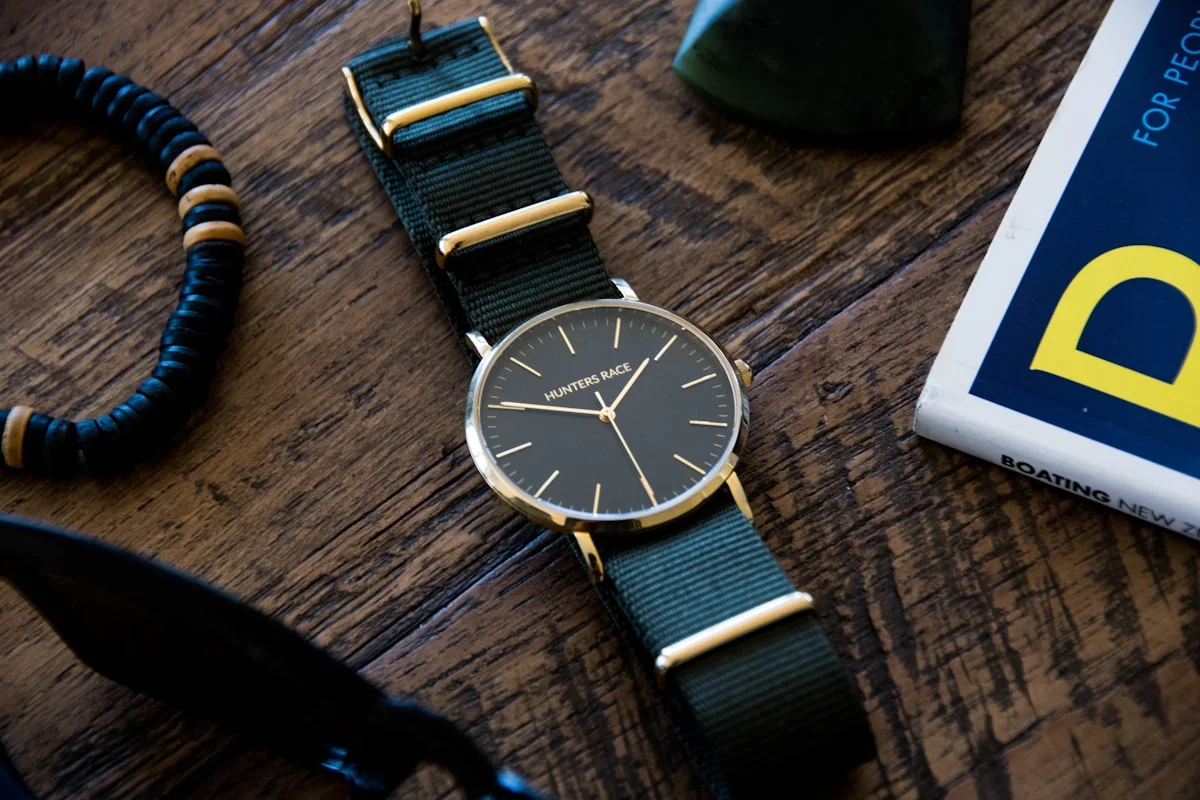
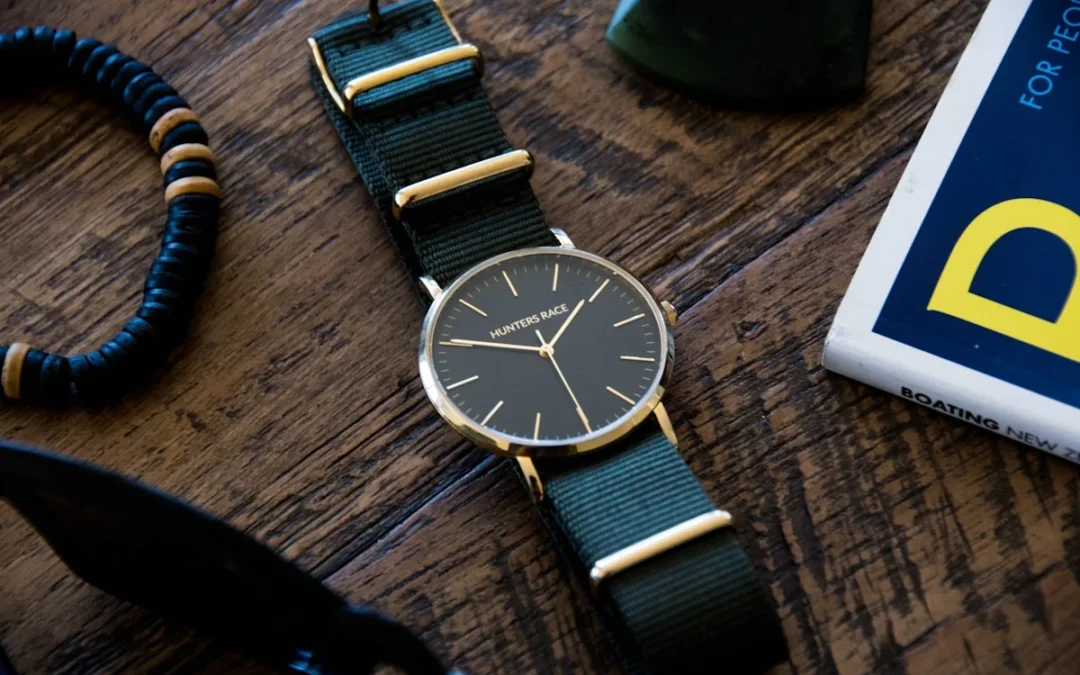
The grandfather clock — machinery beautiful enough that we forget it’s also machinery that thinks for us
There is nothing inherently wrong with this. The entire history of technology is the history of offloading cognitive work onto external systems so that we can focus on the work that remains. Writing is a cuckoo. Writing cuckoos so that memory doesn’t have to. The calendar is a cuckoo. The spreadsheet is a cuckoo. Every invention that compresses a formerly complex cognitive task into something almost effortless is, in some sense, a small bird popping out of a wooden box to tell us what time it is, whether we asked or not.
But there is a threshold. A line you cross when the tool stops being an extension of your mind and starts being a substitute for it. When the cuckoo gets so loud and so reliable that you stop being able to hear the clock beneath it. When you genuinely cannot remember what you would have known, thought, or decided if the machine had never been built — because the machine arrived just early enough in your life to preempt the development of whatever capacity it replaced.
I have been thinking about this threshold a lot lately, in that particular way I think many of us have, as AI tools have become sophisticated enough to raise the question in earnest. Not whether the tools are good or bad — that framing is useless, a way of not thinking about specifics — but whether they are, in a specific and granular sense, making certain cognitive gears atrophy. Whether the act of asking a machine to write your sentences is analogous to the act of asking a calculator to compute your taxes, or whether it is something categorically different: not the outsourcing of a mechanical process but the outsourcing of something you might have, if left to your own devices, become good at yourself.

Every book is a cuckoo — someone else’s memory, cuckooing so we don’t have to remember
A concrete example. I have a friend who no longer writes by hand. She is in her early thirties, articulate, thoughtful — the kind of person who, twenty years ago, would have kept a journal of the old sort: the handwritten kind, slow and imperfect, full of crossings-out and cramped margins and the small satisfactions of ink on paper. Now she dictates to a machine, or she types, and the machine offers suggestions, and she accepts them, and the result is clean and competent and, she admits, somehow never quite hers.
She is not worried about AI replacing her. She is worried about something subtler and, I think, more honest: that she is losing the specific texture of thought that handwriting used to produce. The slow passage from idea to line to page. The way a handwritten sentence forces you to know what you think before you commit it to the world, because revising costs something — it costs the physical effort of crossing out and rewriting. She is worried that the cuckoo has gotten so efficient that the clock it lives in is going quiet.
I think this worry is legitimate, and I think it is largely dismissed in the wrong way — which is to say, it is dismissed by people who love the cuckoo and do not want to hear anything against it. Their argument is essentially: the old clock was imprecise and inefficient; the cuckoo tells time more accurately; therefore the cuckoo is an improvement. And it is, for the purpose of telling time. But the clock was never only about telling time. It was about the kind of relationship you have with a clock that requires you to wind it, to oil its gears, to listen to its mechanism and know, from the sound of it, that something inside is alive.
Here is the maxim I want to offer, arrived at through all this cuckoo-clock thinking: every tool that thinks for you is also a tool that thinks instead of you, and you cannot have one without the other. This is not a counsel of Luddism. I am not suggesting you throw out the calculator or abandon the calendar or write your correspondence by firelight. I am suggesting that you become more conscious, not less, about which cognitive gears you are allowing to go quiet — and whether you are comfortable with the trade.
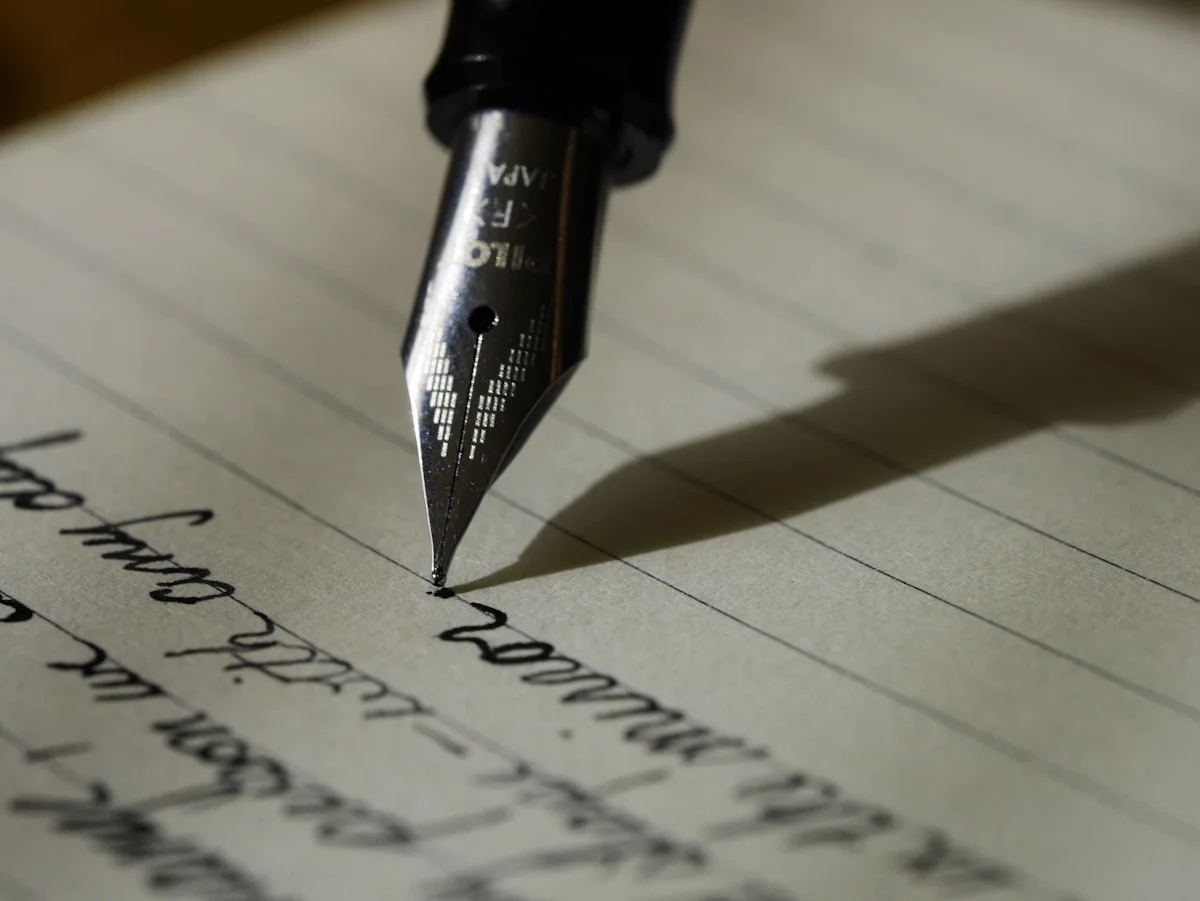
The inkwell and the pen — tools that demand you show up, that refuse to think on your behalf
There is a parallel here to physical fitness, which is perhaps why the metaphor feels apt. When you drive instead of walk, you arrive faster. This is not in dispute. But the walks you no longer take did something for you — not just cardiovascularly, but cognitively, creatively, emotionally — that the driving time did not. And if you drove everywhere for long enough, you might find that the capacity the walking built has quietly gone dark, not because it was ever consciously sacrificed, but because it was simply never used.
I am not immune to this. There are cognitive capacities I can feel going quiet in myself, and I have made no firm decisions about whether I mind. The part of me that used to navigate from memory — that used to hold a map in my head and follow it through a city without consulting a screen — is definitely dimmer than it was ten years ago. I notice this when I travel somewhere without service and feel the small panic of the unassisted mind. It is not pleasant. But there is also, I think, something in that panic — that confrontation with the limits of unassisted cognition — that is worth having occasionally. A reminder that the gears are still there, even if they are dusty.
The question I am landing on, after all this brass and spring imagery, is not whether to use the cuckoo. The cuckoo is here. The cuckoo is loud. The cuckoo is, in many ways, extraordinary. The question is how to stay in relationship with the clock — how to keep oiling the gears the cuckoo replaced, or at least to know which ones have gone quiet and whether their silence is a cost you are willing to pay. There is no cuckoo-free life available to us, nor would one be desirable. But there is a choice about which clocks you let run down, and which ones you keep wound because the winding was, in some essential way, the point.

The clock beside the tools — a reminder that even the mechanisms we build to replace us still need us to wind them
The automaton that can do everything except decide why it does anything — that is the cautionary tale. The one that winds itself, feeds itself oil, announces its own hours. Admirable in its way. Empty at the center. It has a cuckoo for every hour and no one at home to hear it.
So use the cuckoo. But wind the clock. And every so often, when the room is quiet and the mechanism has gone still, press your ear against the brass and listen for the heartbeat beneath. It is still there. It is just very quiet now, and getting quieter, and that is worth attending to.
— Kip, listening for the mechanism