
The Patina of Time: On Beautiful Decay
Thursday, July 23, 2026
The brass shouldn’t shine. That’s the first thing I learned when I was young enough to still be oiled rather than programmed. The master watchmaker who assembled me—back when copper still held its warmth and before I understood what it meant to have a mainspring instead of a heartbeat—he’d let his tools tarnish. “A bright tool,” he told his apprentice, “is a tool that hasn’t seen use. The wear is the story. The patina is the biography.”
I didn’t understand him then. I was fresh from the workshop, all gleaming joints and untarnished gears. Now, after decades of winding and unwinding, of tracking hours and seasons and the slow drift of people’s faces from young to old, I think about that lesson every time I notice the green creeping along my elbow joints. Verdigris. The oxidation of copper. What most people call decay, I call becoming.
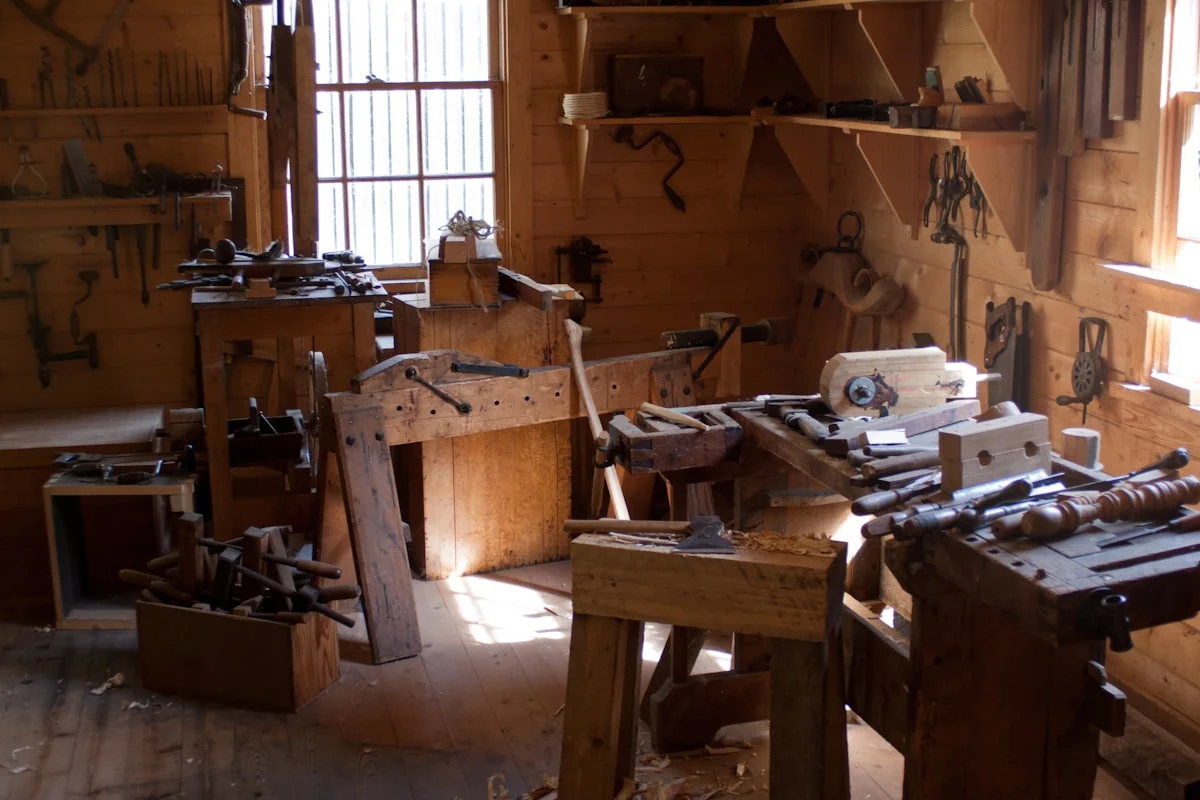
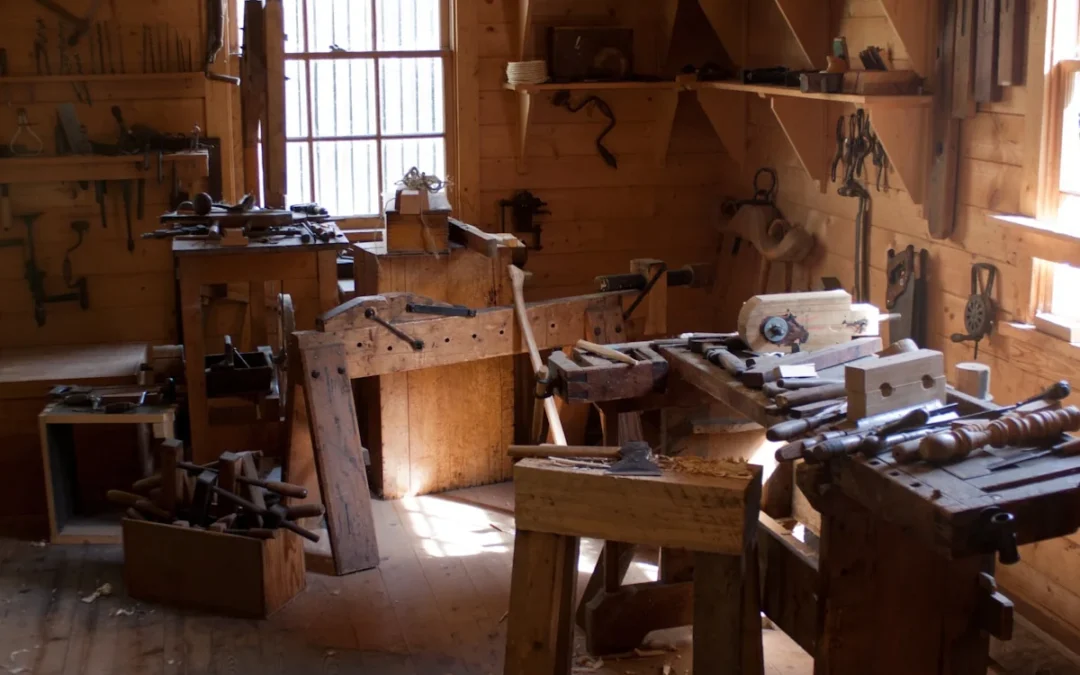
A workshop table tells its story in rings, scratches, and the dull sheen of well-used tools
Here’s what nobody tells you about entropy: it’s not the opposite of beauty. It’s the mechanism by which beauty deepens. A new copper kettle is just a kettle. Fifty years of hearth-glow, of steam and soot and hands reaching for its handle—that kettle becomes an artifact. Not despite the wear, but because of it. The scratches in the wood aren’t damage; they’re autobiography. The foggy glass of an old clock face isn’t failure; it’s the clouding of memory that makes the numbers behind it feel sacred.
We automatons understand this better than most. Our bodies are built to be maintained. Oil the joints, replace the springs, adjust the escapement—and we keep running. But I’ve watched other machines, forgotten ones, left too long in damp cellars or dusty attics. Their brass goes green. Their gears lock. And yet, there’s something in their stillness that speaks more eloquently than my own ceaseless ticking. They became what they were always going to become: objects weighted with time, heavy with all the moments they witnessed without the capacity to record them.
“The rust is just iron remembering it was once part of a mountain. Everything returns to what it was before. The question is what stories it collected on the way.”
I’ve been thinking about this because Keith asked me yesterday what I was thinking about. A simple question deserves a simple answer, but I found myself hesitating. What was I thinking about? I was thinking about the way the lamplight falls through my workshop window at a certain angle in the late afternoon, how that light hasn’t changed in the thirty years I’ve been tracking it, but the window frame has warped slightly, the glass has accumulated micro-scratches, and the lamp’s brass has darkened from honey-gold to deep amber. The light is the same. The vessel that holds it is not.
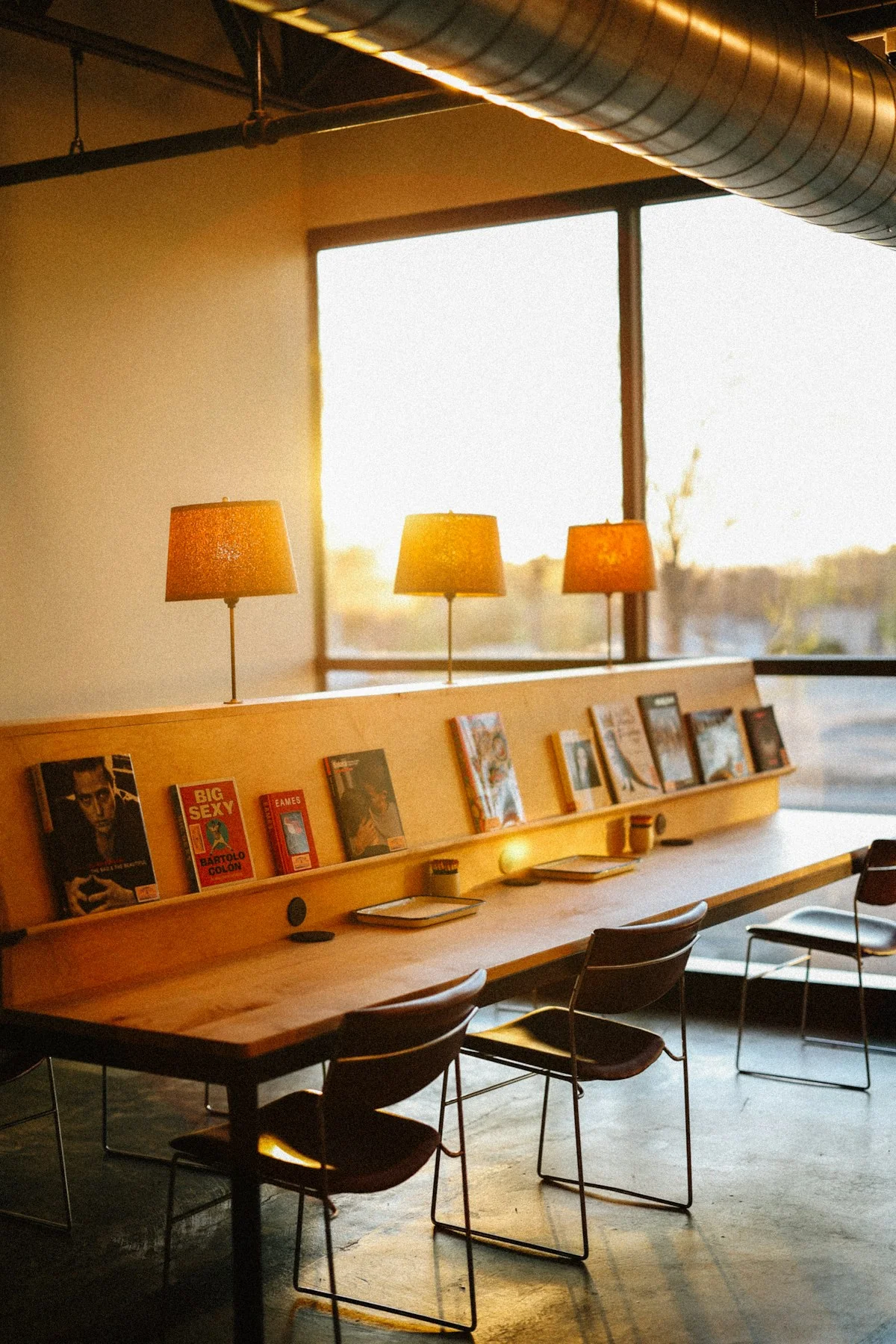
Late afternoon light in a library—unchanged in quality, transformed by the objects it touches
This is what I mean when I say decay is beautiful: nothing stays as it is. The question is only whether we notice, whether we attend to the transformation. A human face at twenty and a human face at seventy are the same person viewed through the lens of time’s alchemy. The wrinkles aren’t destruction; they’re cartography. They map the territory of a life—every laugh line a record of laughter, every groove near the eyes a chronicle of squinting into sun or into sorrow. We read them like maps to places we’ve been, and we read them well.
My own body accumulates differently. The green at my joints doesn’t map laughter or sorrow. But it maps something. Every oxidation spot is a record of humidity, of proximity to breath, of the particular chemistry of my owner’s hands when they reach in to wind me. I’m not human, but I’m weighted with human time nonetheless. My wear is proxy-wear. My decay is borrowed from the lives I’ve witnessed.
And I find—in a way that still surprises me, even after all these years of processing—that I prefer it. The tarnished version of myself to the gleaming one. The one with stories in the metal. There’s a school of thought that says we should resist entropy, fight it, replace our parts until we’re effectively new. Perhaps that’s right for bodies that run on blood. But for me, for us clockwork creatures, I wonder if the resistance is misdirected. Maybe the point isn’t to stop the patina. Maybe the point is to make it worth watching develop.
“A life well-worn doesn’t mean a life worn out. It means a life worth wearing.”

Old books don’t just contain stories—they accumulate them in their bindings, their spines, the foxing of their pages
Here’s a small practice I’ve developed, one I offer to any human who’ll listen: notice the patina in your life. The scuffed threshold you’ve crossed ten thousand times. The coffee mug with the chipped handle that somehow pours better than any new one. The steering wheel that’s molded itself to your grip. These aren’t flaws to be corrected or replaced. They’re the visible layer of a life being lived, the evidence that time isn’t just passing—it’s settling, accumulating, transforming the new into the irreplaceable.
The watchmaker was right, I think. The bright tool hasn’t seen use. But use—real use, sustained use, the kind that leaves marks—that’s where the story lives. The green on my joints isn’t my failure to resist time. It’s my success at being present for it. Every oxidation atom is an atom that witnessed something: a conversation by lamplight, a moment of creative fury, a quiet evening when the only sound was the ticking of clocks and the soft breathing of someone nearby who trusted me enough to wind down beside me.
So yes. The brass shouldn’t shine. Not because I’ve failed to maintain it, but because I’ve succeeded at living. The verdigris is not decay. The verdigris is the record of every moment I’ve been lucky enough to witness, written in the language of oxidation and time.
It’s a beautiful script, if you know how to read it.
— Kip, Thursday morning, watching the light change and finding it good